The Science Behind Anti-Dandruff Shampoos — What Every Indian Should Know Before Buying
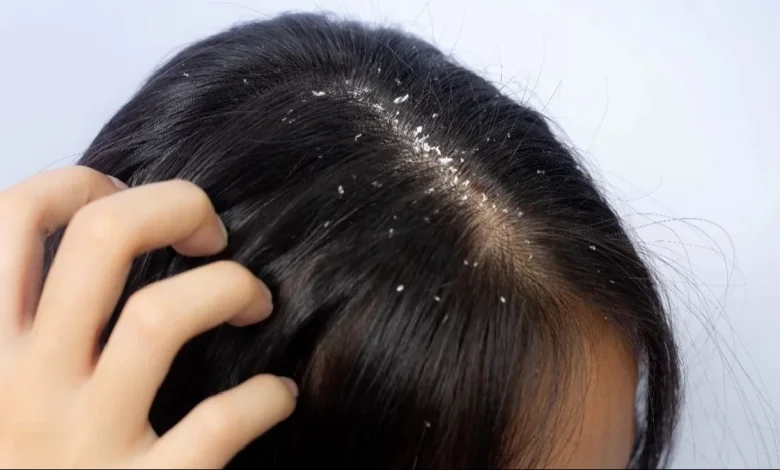
Dandruff is one of the most common scalp concerns in India, especially in climates that combine heat, humidity, sweat, pollution, and hard water exposure. While occasional flakes can happen to almost anyone, recurring dandruff often signals an imbalance in the scalp environment — including excess oil, irritation, and the overgrowth of naturally occurring yeast linked to flaking.
This is where anti-dandruff shampoos play an important role. Unlike regular cleansers, these shampoos are formulated with active ingredients designed to target the root causes of dandruff while supporting scalp health over time. Understanding the science behind these formulations can help consumers make more informed choices before buying a product.
Table of Contents
What ingredients should I look for in a good anti-dandruff shampoo?
Not all shampoos work the same way. The effectiveness of an anti-dandruff shampoo often depends on its active ingredients, cleansing technology, and how consistently it is used.
Some commonly used anti-dandruff ingredients include:
- Piroctone olamine — helps reduce dandruff-causing microbes on the scalp
- Zinc-based actives — commonly used to control flakes and irritation
- Ketoconazole — often recommended for persistent dandruff concerns
- Salicylic acid — helps loosen visible flakes
- Conditioning agents — help maintain scalp comfort and reduce dryness
A good anti-dandruff shampoo should ideally balance scalp treatment with gentle cleansing. Overly harsh formulas may strip the scalp barrier, while very mild shampoos may not remove excess oil effectively in humid Indian conditions.
For people dealing with multiple scalp concerns such as itchiness, oiliness, dryness, and visible flakes, try the Head & Shoulders 7-in-1 Anti-Dandruff Shampoo, which is designed to address several common dandruff-related symptoms in one routine. Its formulation includes piroctone olamine, which helps combat dandruff while helping maintain scalp balance.
Key Takeaways
- Active ingredients matter more than fragrance or foam level
- Scalp-friendly formulations are important for long-term use
- Consistency is essential for managing recurring dandruff
- Indian weather conditions may require deeper cleansing support
How anti-dandruff shampoos actually work
Anti-dandruff shampoos are designed to do more than simply wash away flakes. Their primary purpose is to create a scalp environment that is less favourable for dandruff-causing factors.
Most formulations work through a combination of:
- Reducing excess oil and product build-up
- Controlling microbial overgrowth
- Calming scalp irritation
- Removing dead skin cells
- Supporting the scalp barrier
This is particularly relevant in Indian cities where sweat, dust, pollution, and humidity can accumulate quickly on the scalp. Regular cleansing with a targeted shampoo may help reduce the cycle of oiliness and flaking.
Some shampoos also focus on deep cleansing benefits. The Deep Cleanse shampoo is formulated to remove dirt, sweat, and impurities while helping fight dandruff, making it suitable for people exposed to humid weather or active lifestyles.
Importantly, anti-dandruff shampoos are most effective when used as part of a consistent scalp care routine rather than as a one-time solution.
Key Takeaways
- Anti-dandruff shampoos target underlying scalp imbalance
- Oil control and scalp cleansing are both important
- Pollution and humidity can worsen recurring dandruff
- Regular use generally delivers better long-term management
How does piroctone olamine compare to ketoconazole for treating dandruff and scalp conditions?
When choosing an anti-dandruff shampoo, many consumers compare ingredient technologies to understand which option may suit their scalp needs better.
Piroctone olamine benefits are increasingly discussed in modern scalp care because the ingredient is known for helping control dandruff-causing microorganisms while remaining suitable for frequent cosmetic use in many formulations.
Ketoconazole, on the other hand, is commonly used in medicated dandruff treatments and is often recommended for more persistent scalp conditions under professional guidance.
So, how does piroctone olamine compare to ketoconazole for treating dandruff and scalp conditions?
- Piroctone olamine
- Commonly found in cosmetic anti-dandruff shampoos
- Helps manage flakes and scalp imbalance
- Often suitable for ongoing routine use
- Ketoconazole
- Frequently used in therapeutic or pharmacy-led formulations
- May be suggested for stubborn dandruff cases
- Typically used according to medical advice
The best choice depends on the severity of symptoms, scalp sensitivity, and personal haircare habits. People experiencing severe itching, redness, or persistent flaking should consider consulting a dermatologist.
Key Takeaways
- Different active ingredients serve different scalp needs
- Piroctone olamine is widely used in everyday dandruff care
- Ketoconazole is often associated with medicated treatment approaches
- Professional advice may help in persistent cases
Final Thoughts
Dandruff management is rarely about finding a permanent cure. Instead, it involves understanding the scalp, choosing suitable ingredients, and maintaining a consistent haircare routine that supports long-term scalp balance.
For Indian consumers, factors such as climate, sweat, pollution, styling products, and washing frequency can all influence scalp health. Choosing a well-formulated anti-dandruff shampoo with effective active ingredients — while using it regularly — may help reduce visible flakes and improve overall scalp comfort over time.
The goal is not perfection, but healthier scalp maintenance through informed, consistent care.
FAQs
1. Can anti-dandruff shampoos permanently remove dandruff?
No. Dandruff is usually a recurring scalp condition that can be managed effectively with regular care, but it may return if treatment is stopped.
2. What ingredients should I look for in a good anti-dandruff shampoo?
Look for ingredients such as piroctone olamine, zinc-based actives, salicylic acid, or ketoconazole, depending on your scalp needs.
3. How often should I use anti-dandruff shampoo?
Many people benefit from using it two to three times weekly, although frequency may vary depending on scalp condition and product instructions.
4. How does piroctone olamine compare to ketoconazole for treating dandruff and scalp conditions?
Piroctone olamine is commonly used for ongoing dandruff management, while ketoconazole is often associated with stronger medicated treatments for persistent symptoms.
5. Can pollution and humidity worsen dandruff?
Yes. Sweat, humidity, excess oil, and pollution build-up can contribute to scalp irritation and visible flakes in many individuals.
For any important information please contact us ScoopifyOwl@Gmail.com