What You Should Know About Juvenile Crimes In Colorado
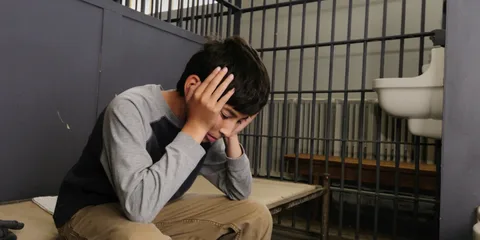
Juvenile crimes can affect families deeply. In Colorado, you need to understand these laws to protect your child’s future. Children under 18 who commit crimes face unique legal challenges. Penalties can vary based on the offense. Rehabilitation often takes priority over punishment. You face a court system that seeks to balance justice with empathy. Navigating this system can be overwhelming. A Colorado criminal law firm can provide guidance and support through this challenging process. Their expertise helps address concerns and find resolutions. Knowing your rights and options equips you to make informed decisions. Juvenile records may not be as permanent as adult records, but they still have a significant impact. Early intervention can prevent long-term consequences. Facing these issues with knowledge and support is crucial. Families benefit from understanding the laws and processes involved. This knowledge provides the foundation for effective advocacy for your child.
Table of Contents
Understanding Juvenile Offenses
In Colorado, juvenile offenses range from minor infractions to serious crimes. Common offenses include theft, vandalism, and drug-related activities. Each case is unique, and the legal response depends on several factors. Courts consider the severity of the crime, the juvenile’s age, and prior offenses.
The Juvenile Justice System
The juvenile justice system in Colorado focuses on rehabilitation rather than punishment. Programs aim to redirect youths towards positive paths. These programs include counseling, education, and community service. The goal is to prevent future criminal behavior and encourage personal growth.
Differences Between Juvenile and Adult Courts
| Feature | Juvenile Court | Adult Court |
| Focus | Rehabilitation | Punishment |
| Privacy | Confidential proceedings | Public proceedings |
| Records | Sealed or expunged | Permanent |
The Role of Parental Involvement
Parents play a vital role in guiding their children through the legal process. Engaging with court officials and participating in recommended programs can make a difference. Open communication with your child is essential. Discussing the consequences of their actions helps them understand the gravity of their situation.
Possible Consequences
Consequences for juvenile crimes in Colorado vary. They may include probation, community service, or placement in a juvenile detention center. Some cases may require participation in rehabilitation programs. The aim is to address underlying issues and prevent reoffending.
Preventing Juvenile Crimes
Prevention is key to reducing juvenile crime rates. Encourage positive behavior through involvement in community activities. Schools and community organizations offer programs promoting life skills and mentorship. Keeping an open dialogue about the dangers of illegal activities is crucial.
Resources for Families
Several resources support families dealing with juvenile crimes. The Colorado Judicial Branch provides information on legal processes and rights. Local community services offer counseling and support programs tailored to families’ needs.
Conclusion
Understanding juvenile crimes in Colorado is vital for protecting your child’s future. By being informed, you can navigate the legal system effectively. Seeking professional help ensures you and your child have the necessary support. Remember, the goal is to turn challenging situations into opportunities for growth and positive change. With the right knowledge and resources, you can help your child steer clear of future troubles.
For any important information please contact us ScoopifyOwl@Gmail.com